Read More

Your shopping bag is empty
Go to the shop
Every motorcycle enthusiast reaches a point where the stock setup no longer feels enough. Maybe you've grown more confident in corners, started riding longer distances, or simply want your bike to stand out every time you park it. Whatever your reason, upgrading your motorcycle is one of the most rewarding investments you can make.
Modern motorcycles leave the factory designed to satisfy a wide range of riders while meeting strict regulations related to emissions, noise, cost, and durability. As a result, manufacturers often choose components that balance performance with affordability rather than maximizing either. That creates an exciting opportunity for riders to personalize their machines using quality aftermarket parts.
The right upgrades don't just make a motorcycle look better; they can improve acceleration, sharpen handling, increase braking confidence, enhance rider comfort, and even extend the lifespan of critical components. Whether you're riding a supersport, bike, cruiser, touring motorcycle, or adventure machine, carefully chosen modifications can make every ride more enjoyable.
One of the biggest misconceptions among new riders is that motorcycle modifications are purely cosmetic. While aesthetics certainly play a role, the best upgrades improve the overall riding experience.
Think of your motorcycle as a complete system where every component influences another. Better suspension allows your tires to maintain stronger contact with the road. Better tires improve braking performance. Reduced weight enhances acceleration, handling, and fuel efficiency. Improved ergonomics reduce rider fatigue, allowing you to stay focused for longer periods.
Motorcycle upgrades generally fall into four categories:
Rather than chasing the biggest horsepower number, experienced riders often focus on creating a balanced motorcycle, one that inspires confidence in every situation.
The best motorcycle modifications depend entirely on how you ride.
Someone who spends weekends attacking mountain roads has different priorities than someone commuting through city traffic or crossing countries on long-distance tours.
Before purchasing aftermarket parts, ask yourself:
Your answers will determine where your budget should go first.
By understanding your riding habits, you avoid spending money on modifications that add little practical value.
Performance upgrades are often the first modifications riders consider and for good reason. The right upgrades can improve acceleration, handling, braking, and overall riding confidence without compromising reliability. Rather than focusing solely on increasing horsepower, aim for upgrades that create a balanced motorcycle that's responsive, stable, and enjoyable to ride in all conditions.
A motorcycle's suspension is responsible for keeping the tires in contact with the road, absorbing bumps, and maintaining stability during acceleration, braking, and cornering. While stock suspension is designed to suit a wide range of riders, it often falls short for those who ride aggressively, tour with luggage, or simply want a more refined riding experience.
Upgrading to adjustable forks, premium rear shocks, or performance suspension components allows you to fine-tune your motorcycle for your weight, riding style, and road conditions. It's one of the most noticeable upgrades you can make, improving both comfort and confidence.
Choose suspension components that are compatible with your motorcycle and suited to your riding style. Adjustable suspension offers greater flexibility but comes at a higher cost. If your existing suspension is in good condition, consider having it professionally tuned before investing in a complete replacement, as proper setup alone can significantly improve performance.
Tires are the only part of your motorcycle that touches the road, making them one of the most important upgrades for improving speed, handling, and safety. High-quality performance tires provide better grip, shorter braking distances, and increased stability, allowing you to ride with greater confidence in both dry and wet conditions.
Whether you're commuting, touring, or tackling twisty roads, choosing the right tires for your riding style can dramatically transform the way your motorcycle performs.
Select tires based on how and where you ride. Sport tires offer exceptional grip but wear out faster, while sport-touring tires balance performance with longevity. Adventure and touring bikes require tires designed for their specific conditions. Always replace tires with the correct size and speed rating recommended by the manufacturer.
An aftermarket exhaust is one of the most popular motorcycle upgrades because it improves both performance and style. Compared to factory exhaust systems, aftermarket options are typically lighter, provide better exhaust flow, and produce a deeper, more aggressive exhaust note.
Depending on your budget and goals, you can choose a slip-on exhaust for improved sound and reduced weight or a full exhaust system for greater performance gains when combined with ECU tuning.
Consider whether a slip-on or full-system exhaust best suits your needs. Pay attention to the material; stainless steel offers durability, titanium provides excellent weight savings, and carbon fiber delivers a premium finish. Also, ensure the exhaust complies with local noise and emissions regulations before installation.
Your motorcycle's engine needs a steady supply of clean air to perform efficiently. Replacing the stock paper air filter with a high-flow aftermarket air filter allows the engine to breathe more freely, improving airflow and throttle response. To maximize these benefits, many riders pair the new filter with an ECU remap, which adjusts fuel delivery and ignition timing to match the upgraded intake and exhaust system.
Together, these upgrades create a smoother, more responsive motorcycle with improved overall performance.
An aftermarket air filter alone provides modest improvements, but combining it with an ECU remap and performance exhaust produces the best results. Choose a reusable filter from a reputable manufacturer and have the ECU tuned by a qualified professional to ensure reliability and optimal performance.
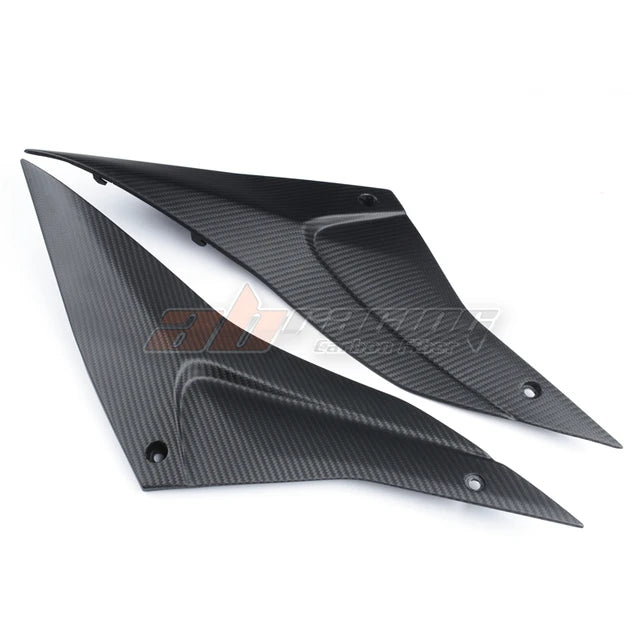
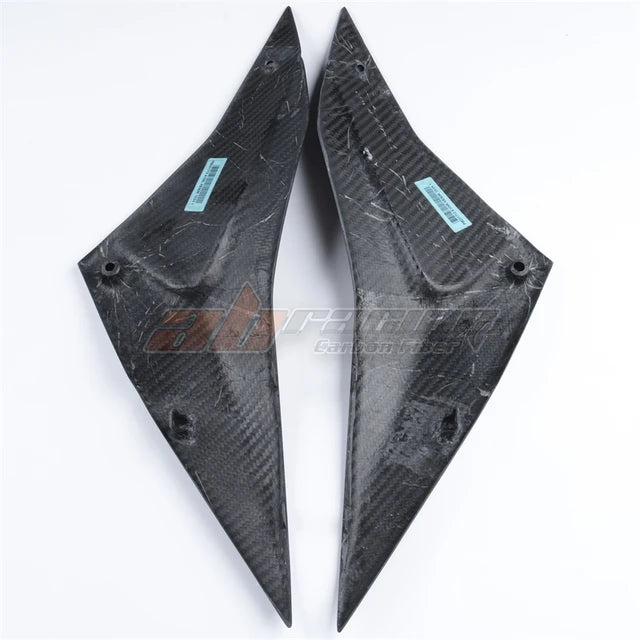
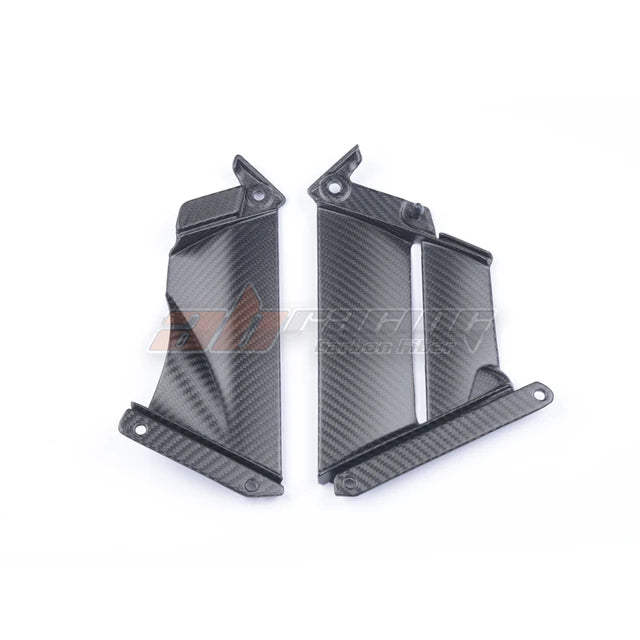
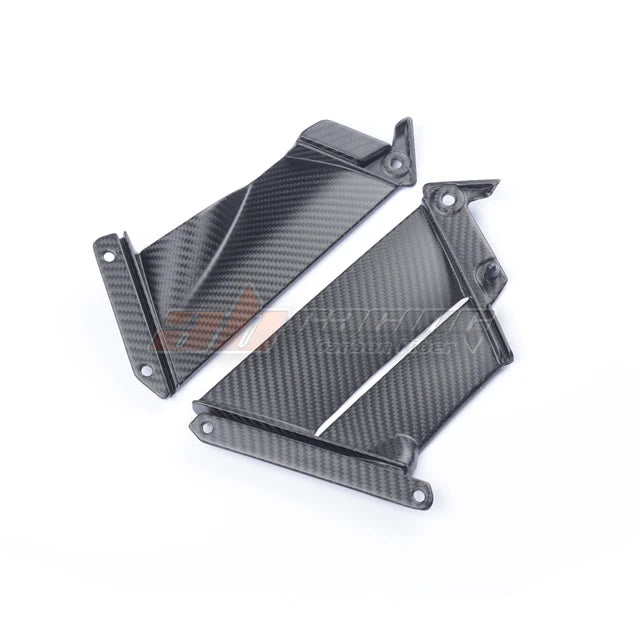
Reducing weight is one of the most effective ways to improve motorcycle performance, and carbon fiber components offer an excellent combination of strength, durability, and lightweight construction. Replacing heavier factory plastic or metal parts with carbon fiber alternatives can improve handling while giving your motorcycle a premium, race-inspired appearance.
Popular upgrades include front fenders, rear huggers, chain guards, heel guards, tank covers, side fairings, and air intake panels.
Choose genuine carbon fiber parts that are designed specifically for your motorcycle model to ensure proper fitment. High-quality carbon fiber components feature UV-resistant clear coats that help maintain their finish over time. While they cost more than plastic alternatives, they provide better durability, lower weight, and a distinctive motorsport-inspired look.
Style upgrades are about more than aesthetics, they allow you to personalize your motorcycle while often improving functionality. From cleaning up the rear end to replacing bulky stock components with lightweight alternatives, these modifications can give your bike a premium, custom-built appearance. The best part is that many styling upgrades are simple to install and can dramatically change your motorcycle's overall look without requiring major mechanical work.
A tail tidy replaces the bulky factory license plate holder with a compact mounting system, giving your motorcycle a cleaner and more aggressive rear profile. Most stock fenders are designed to meet regulations across multiple markets, which often results in an oversized appearance. A tail tidy eliminates unnecessary plastic while maintaining proper license plate positioning.
Choose a tail tidy specifically designed for your motorcycle's make and model to ensure proper fitment. Check that it includes mounting hardware and complies with local regulations regarding license plate visibility and lighting.
Although often confused with a tail tidy, a fender eliminator kit is a complete solution that replaces the stock rear fender assembly while neatly integrating the license plate bracket, lighting, and turn signals. It's one of the easiest ways to modernize your motorcycle's appearance.
Some kits reuse factory indicators, while others require aftermarket LED turn signals. Choose a corrosion-resistant aluminum or stainless steel kit for improved durability and long-term performance.
Brake and clutch levers are among the most frequently used controls on a motorcycle. Upgrading to adjustable aftermarket levers not only enhances the bike's appearance but also improves rider comfort by allowing you to customize the lever reach according to your hand size and riding position.
Choose levers manufactured from CNC-machined aluminum for strength and durability. Ensure they are designed specifically for your motorcycle model and provide smooth operation without interfering with the braking or clutch system.
Replacing factory indicators with LED turn signals is a simple upgrade that improves both style and safety. Modern LED units are brighter, more energy-efficient, and significantly smaller than traditional bulb indicators, giving your motorcycle a cleaner and more contemporary appearance.
Some motorcycles may require an LED-compatible flasher relay or resistors to prevent rapid flashing. Ensure the indicators meet your local road safety regulations and remain clearly visible from the front and rear.
Frame sliders, also known as crash bobbins, are designed to minimize damage during low-speed drops or slides. Mounted directly to the motorcycle's frame, they act as a protective barrier between the ground and expensive components such as fairings, engine covers, and the frame itself.
Always choose motorcycle-specific frame sliders from reputable manufacturers. Poorly designed sliders may transfer impact forces to the frame rather than absorbing them effectively.
The radiator and oil cooler are exposed to stones, gravel, insects, and road debris during every ride. A protective guard prevents damage to delicate cooling fins while maintaining sufficient airflow to keep the engine operating at the correct temperature.
Choose guards made from stainless steel or aluminum with a design that balances protection and airflow. Ensure the guard is compatible with your motorcycle and doesn't restrict cooling performance.
Engine guards provide additional protection for the engine, lower frame, and other critical components during accidental drops or off-road riding. They are especially popular on adventure motorcycles, touring bikes, and cruisers where durability and long-distance reliability are priorities.
Engine guards should be built from high-strength steel or aluminum and mounted securely without interfering with maintenance or ground clearance. Select a design specifically engineered for your motorcycle model.
Comfort upgrades don't necessarily make your motorcycle faster, but they make every ride more enjoyable. Whether you're commuting to work, embarking on a weekend road trip, or touring across states, these accessories reduce fatigue, improve convenience, and help you stay focused on the road.
Heated grips are a practical upgrade for riders who frequently ride in cold weather or during early mornings. By keeping your hands warm, they improve comfort and maintain grip strength, allowing for better control in challenging conditions.
Choose heated grips with adjustable temperature settings and weather-resistant controls. Ensure your motorcycle's electrical system can support the additional power requirement.
An aftermarket windshield improves aerodynamics by directing airflow around the rider, reducing wind pressure and fatigue during highway riding. It's a valuable upgrade for commuters, touring riders, and anyone who spends extended periods at higher speeds.
Select a windshield height that suits your riding position and motorcycle. A poorly sized windshield may create turbulence rather than reducing it.
A battery tender is a smart charger that maintains your motorcycle battery at its optimal charge level when the bike isn't in use. It's particularly useful for seasonal storage or motorcycles that are ridden infrequently.
Choose a battery tender compatible with your motorcycle's battery type (lead-acid, AGM, or lithium). Avoid standard chargers that may overcharge and damage the battery.
A motorcycle stand is an essential workshop accessory that simplifies maintenance and storage. Whether you're cleaning the chain, changing tires, or performing routine servicing, a quality stand keeps your motorcycle stable and secure.
Select a stand that matches your motorcycle, such as a rear paddock stand, front stand, or center stand. Look for sturdy construction and non-slip supports for added safety.
Not every rider needs every upgrade. Prioritizing modifications based on how you ride ensures you get the best return on your investment.
Daily Commuter: Prioritize high-quality tires, an upgraded windshield, a battery tender, and heated grips for improved safety, comfort, and everyday reliability.
Sport Rider: Focus on professional suspension, performance tires, an aftermarket exhaust covers, a high-flow air filter, and an ECU remap for sharper handling and maximum performance.
Touring Rider: Invest in a comfortable touring seat, an upgraded windshield, premium suspension, and luggage accessories to enhance long-distance comfort and convenience.
Adventure Rider: Choose engine guards, crash protection, radiator and oil cooler protectors, and heavy-duty suspension to handle challenging terrains and protect critical components.
Weekend Cruiser: Enhance your bike with carbon fiber styling accessories, adjustable brake and clutch levers, LED lighting upgrades, a tail tidy or fender eliminator kit, and ergonomic accessories for a stylish and comfortable ride.
Upgrading your motorcycle in the right order helps you get the most value from each modification. A structured approach ensures your bike becomes safer, more capable, and more enjoyable to ride without overspending.
Stage 1: Safety First
Start with upgrades that have the biggest impact on control and rider confidence. Invest in premium tires, a proper suspension setup, and replace your brake pads if they are worn or need improved stopping performance.
Stage 2: Protection
Once the essentials are covered, protect your investment with crash bobbins (frame sliders), engine guards, and radiator guards. These upgrades help minimize damage from accidental drops and road debris.
Stage 3: Performance
Next, focus on boosting your motorcycle's performance with an aftermarket exhaust, a high-flow air filter, and an ECU remap. Together, these upgrades improve throttle response, airflow, and overall engine performance.
Stage 4: Comfort
Improve everyday usability with comfort-focused accessories such as heated grips, an upgraded windshield, a battery tender, and a motorcycle stand. These additions make riding and maintaining your bike much easier.
Stage 5: Styling
Finish your build with styling upgrades like a tail tidy, LED indicators, carbon fiber accessories, and adjustable brake and clutch levers. These modifications enhance your motorcycle's appearance while adding a personalized touch.
Following this upgrade order ensures every modification builds on the last, resulting in a motorcycle that delivers the perfect balance of performance, protection, comfort, and style.
Avoid these common pitfalls when modifying your motorcycle:
1. Prioritizing Looks Over Function: A stylish motorcycle is great, but not if it still has worn-out tires or poorly adjusted suspension.
2. Buying Cheap, Unbranded Parts: Low-quality components may not fit correctly, wear out quickly, or compromise safety. Investing in reputable aftermarket brands usually saves money in the long run.
3. Ignoring Compatibility: Always verify that aftermarket parts are compatible with your motorcycle's make, model, and production year.
4. Skipping ECU Tuning: Installing a free-flowing exhaust or high-flow air filter without appropriate tuning can affect performance and rideability on some motorcycles.
5. Over-Accessorizing: Adding too many accessories can increase weight, clutter the motorcycle's appearance, and even reduce practicality. Aim for purposeful upgrades rather than simply filling every available mounting point.
The best motorcycle upgrades are those that enhance the riding experience rather than simply changing the appearance of the bike. Improvements to suspension, tires, and braking inspire confidence in every corner, while performance upgrades such as an aftermarket exhaust, high-flow air filter, and ECU remap make the motorcycle more responsive and enjoyable to ride.
At the same time, comfort-focused additions like heated grips, upgraded windshields, and battery tenders ensure your motorcycle remains practical throughout the year. Protective accessories, including crash bobbins, engine guards, and radiator protectors help preserve your investment against everyday hazards.
Finally, styling upgrades such as tail tidies, LED indicators, adjustable levers, and premium carbon fiber components allow you to personalize your motorcycle and give it a distinctive, high-end look.
Rather than upgrading everything at once, focus on modifications that align with your riding style, budget, and long-term goals. By choosing quality aftermarket parts and installing them thoughtfully, you'll create a motorcycle that's faster, more confident, more comfortable, and uniquely your own.
Yes. High-quality aftermarket parts can significantly improve performance, handling, comfort, protection, and aesthetics. The key is to choose well-engineered components from reputable manufacturers and prioritize upgrades that suit your riding style.
Not necessarily. In many regions, manufacturers cannot void an entire warranty simply because aftermarket parts are installed. However, if an aftermarket component directly causes a failure, warranty coverage for the affected part may be denied. Always review your manufacturer's warranty policy before making major modifications.
Start with upgrades that improve safety and control. Premium tires and a properly set up suspension offer the greatest improvements in real-world riding. Once those are addressed, consider protection accessories, followed by performance and styling modifications.
A slip-on exhaust typically provides modest performance gains while improving sound and reducing weight. A full exhaust system, when combined with a high-flow air filter and ECU remap, can deliver more noticeable improvements in power, torque, and throttle response.
No. While carbon fiber is widely used in motorsports due to its excellent strength-to-weight ratio, it has become a popular upgrade for street motorcycles as well. It offers reduced weight, corrosion resistance, and a premium appearance, making it suitable for both performance-focused and style-conscious riders.
Many accessories such as tail tidies, LED indicators, battery tenders, frame sliders, and adjustable levers can be installed with basic tools and mechanical knowledge. More advanced modifications, including suspension upgrades, ECU tuning, and full exhaust systems, are often best left to qualified professionals.
The highest-value upgrades are usually premium tires, suspension improvements, crash protection, and ergonomic accessories. These modifications deliver noticeable improvements in handling, safety, comfort, and long-term durability without requiring extensive engine work.
Choose parts specifically designed for your motorcycle's make, model, and year. Look for products made from high-quality materials, backed by trusted manufacturers, and supported by positive customer reviews. Prioritizing compatibility, durability, and reliable after-sales support will help ensure your upgrades perform as intended and provide lasting value.