Read More

Your shopping bag is empty
Go to the shop
You inspect your motorcycle after a ride and everything looks perfect. No cracks. No deep scratches. No broken panels.
But what if the real damage is hidden beneath the surface?
That's the danger of carbon fiber delamination. Unlike cracks or scratches, delamination starts inside the part, where the layers of carbon fiber begin separating. The surface may still look flawless, even as the part gradually becomes weaker.
The good news is that delamination doesn't happen without warning. If you know what causes it and what signs to look for, you can often catch it early, repair the damage, and avoid replacing an expensive carbon fiber part.
In this guide, you'll learn:
Whether you've just installed your first carbon fiber upgrade or have been riding with carbon fiber parts for years, this guide will help you keep them in excellent condition.
Let's get started.
Have you ever wondered what carbon fiber delamination is? The answer is actually quite simple.
Carbon fiber delamination is a type of damage where the layers inside a carbon fiber part begin to separate from each other. As these layers pull apart, the part gradually loses its strength, even if the surface still looks undamaged.
Carbon fiber delamination occurs when the bonded layers begin to separate. As the layers pull apart, the part gradually loses its structural integrity, even though the outer surface may still appear perfectly intact. Because the damage starts beneath the surface, delamination can be difficult to detect until it becomes more severe.
This is why delamination can be difficult to detect in its early stages. Because the damage develops inside the part, you may not notice a problem until it becomes more serious.
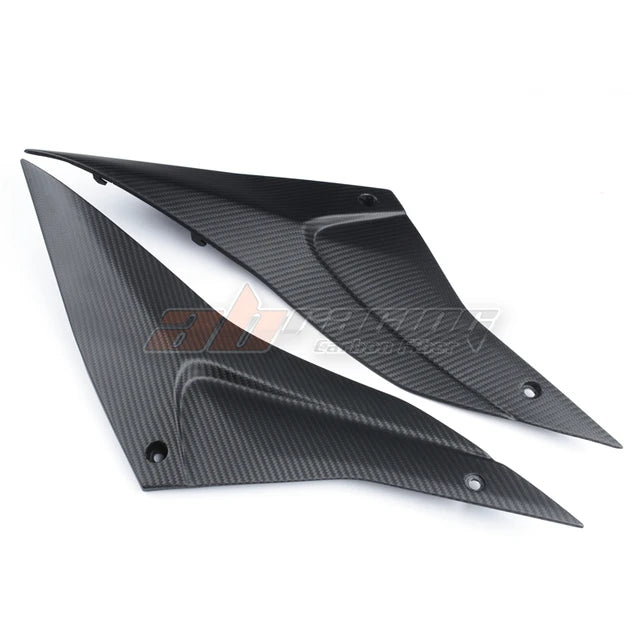
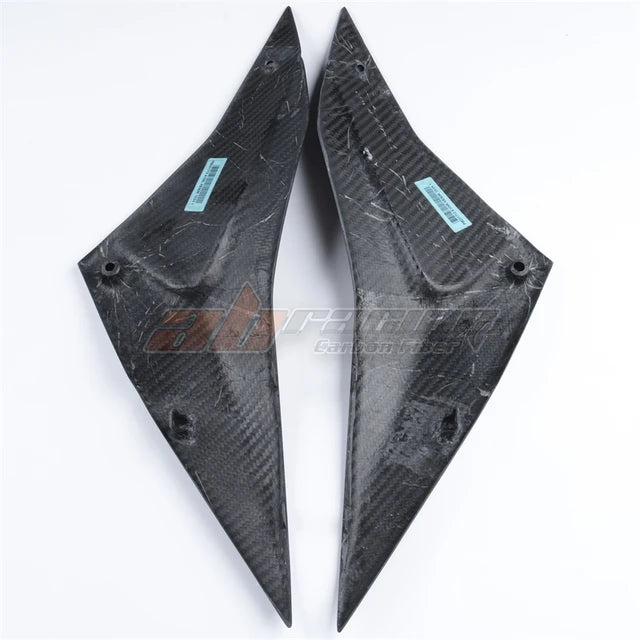
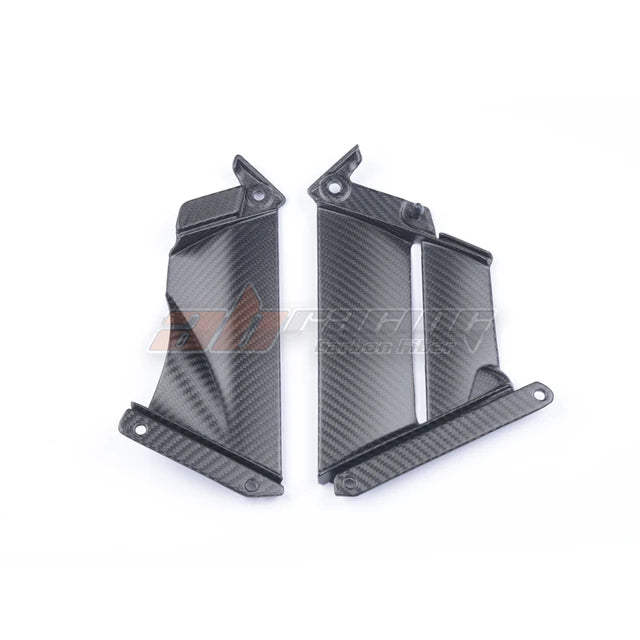
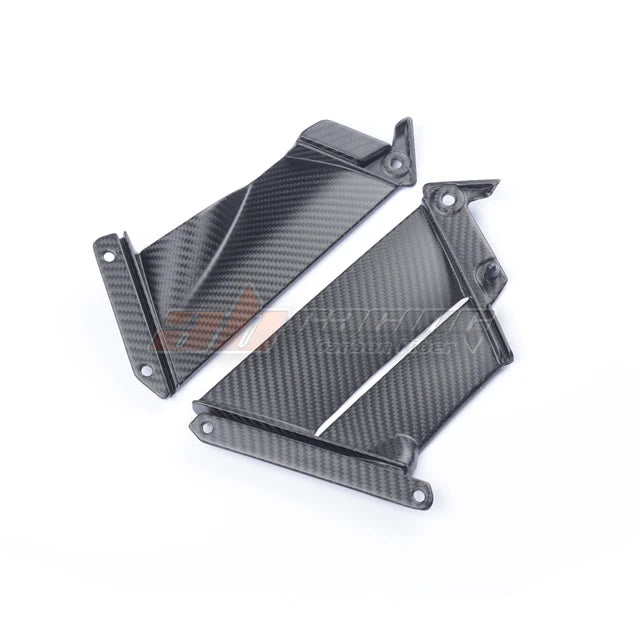
Delamination can happen in almost any carbon fiber motorcycle part, including: Front Fenders, Rear Huggers, Side Fairings, Tank Covers, Heel Guards, Chain Guards, Air Intake Covers, Belly Pans or Winglets.
If left untreated, the separated layers can continue to spread, making the part weaker over time.
Carbon fiber gets its strength because all of its layers work together.
When those layers begin separating, the part can no longer handle stress the way it was designed to.
In the early stages, you may not notice much difference. But as the damage grows, the part can become weaker, more flexible, or even crack completely.
For cosmetic parts, this may only affect how the bike looks.
For parts that experience vibration or regular stress, such as fairings or mounting panels, ignoring delamination can eventually lead to bigger problems.
That's why it's always worth checking your carbon fiber parts if your bike has been dropped, involved in an accident, or even hit by flying road debris.
Carbon fiber delamination doesn't happen without a reason. It usually develops over time as the result of impacts, repeated stress, poor installation, or everyday wear. Understanding what causes delamination can help you spot problems early and extend the life of your carbon fiber motorcycle parts.
Let's look at some of the most common causes that causes carbon fiber delamination:
The most common cause of carbon fiber delamination is impact damage. Even a minor incident, such as a low-speed fall, a parking lot tip-over, flying road debris, or dropping a tool during maintenance, can damage the inner layers of a carbon fiber part. While the surface may only show a small scratch or chip, the layers underneath could already be separating, so it's always a good idea to inspect carbon fiber parts after any impact.
Not all carbon fiber parts are built to the same standard. If the manufacturing process uses poor-quality materials, trapped air, incorrect resin levels, or improper curing, weak spots can develop inside the part. These defects may not be visible when the product is new but can increase the risk of delamination over time, which is why choosing a trusted manufacturer is important.
Incorrect installation can put unnecessary stress on carbon fiber parts. Overtightening bolts, using the wrong hardware, or forcing a part into place can weaken the bond between the layers, eventually leading to delamination. Installing parts carefully and following the manufacturer's instructions helps prevent avoidable damage.
Motorcycles produce constant vibration while riding, especially around the engine and exhaust. Over time, this repeated movement can slowly weaken the bond between the carbon fiber layers, particularly in parts like fairings, chain guards, belly pans, and engine covers that experience continuous stress.
Carbon fiber can handle high temperatures, but the resin that holds the layers together is more sensitive to heat. Parts located close to the engine or exhaust are exposed to repeated heating and cooling, which can gradually weaken the resin over time. High-quality carbon fiber parts use heat-resistant epoxy to reduce this risk.
Carbon fiber itself doesn't absorb water, but moisture can enter through cracks, chips, or damaged edges. Once inside, it can slowly weaken the bond between the layers, increasing the risk of delamination. Repairing small chips and protecting the clear coat can help keep moisture out.
Long-term exposure to sunlight mainly affects the resin and clear coat rather than the carbon fiber itself. Over time, lower-quality finishes may fade or break down, leaving the material less protected. A high-quality UV-resistant clear coat helps preserve both the appearance and durability of carbon fiber parts.
Using household glue or general-purpose epoxy to repair damaged carbon fiber is rarely effective. Improper repairs may hide the damage temporarily but often fail to restore the strength of the part, allowing the layers to continue separating underneath. For the best results, delaminated carbon fiber should always be repaired using proper composite repair methods.
The earlier you spot delamination, the easier it is to deal with. Because the damage often starts inside the part, the warning signs can be easy to miss. Here are some things to watch for.
Carbon fiber should feel solid and stiff. If one area feels softer or moves more than the rest of the part, the inner layers may have started separating. Even a small soft spot is worth checking.
One simple way to check a carbon fiber part is by gently tapping it with your fingernail or a plastic tool. A healthy part usually makes a sharp, solid sound. A delaminated area often sounds dull or hollow because the layers are no longer bonded together. Many professional technicians use this simple tap test as a quick first inspection.
Sometimes the surface begins to lift slightly. It may only be a small bump, but it could mean the layers underneath are pulling apart. If you notice a raised section that wasn't there before, it's worth inspecting further.
Mounting points carry a lot of stress. Look closely around bolt holes for hairline cracks, white stress marks, small chips, or tiny splits. These can be early signs that the carbon fiber is beginning to weaken.
If a fairing or panel suddenly feels easier to bend than it used to, it may have lost some of its strength. Carbon fiber is naturally stiff, so a noticeable change in flexibility is never something to ignore.
Even if your bike only tipped over in the garage, it's worth checking your carbon fiber parts. A small impact can create damage inside the laminate without leaving much evidence on the outside. That's why many cases of carbon fiber delamination are only discovered weeks or even months after an accident.
The best way to deal with carbon fiber delamination is to prevent it in the first place. While accidents can't always be avoided, proper care and regular maintenance can significantly reduce the risk. Here are a few simple ways to protect your carbon fiber parts.
Not all carbon fiber parts are made the same. High-quality parts use better materials and go through a proper manufacturing process, making them stronger and more resistant to delamination. Choosing a trusted manufacturer helps ensure better durability and a longer lifespan.
Incorrect installation can put unnecessary stress on carbon fiber parts. Always follow the manufacturer's instructions, avoid overtightening bolts, and make sure the part fits properly. A correct installation helps prevent damage over time.
Check your carbon fiber parts every few weeks, especially around mounting holes, edges, and areas near the exhaust. Look for cracks, chips, bulges, or soft spots. Finding a problem early is much easier than dealing with major damage later.
Wash your carbon fiber parts with mild motorcycle or car shampoo, clean water, and a soft microfiber cloth. Avoid harsh chemicals and abrasive cleaners, as they can damage the protective clear coat.
Long hours in direct sunlight can gradually wear down the clear coat. Whenever possible, park in the shade, use a motorcycle cover, or store your bike indoors to help protect the finish.
Many carbon fiber parts get damaged during routine maintenance. Be careful when handling tools, avoid dropping heavy objects, and protect nearby carbon fiber parts while working on your motorcycle.
Don't ignore small chips or cracks. If left untreated, they can allow moisture and dirt to get inside, increasing the risk of delamination. Repairing minor damage early can help prevent more serious problems later. That's why regular inspection and maintenance of carbon fiber parts is one of the best ways to reduce the risk of delamination.
One of the most common questions riders ask is whether carbon fiber delamination can be repaired.
The answer is yes, but it depends on how severe the damage is. Small areas where the layers have started to separate can often be repaired successfully by a professional. However, if the damage is extensive or affects the structural strength of the part, replacing it is usually the safer and more reliable option.
Let's take a closer look at both situations.
If the delaminated area is small and the carbon fiber itself hasn't been cracked or broken, the part can often be repaired by a composite repair specialist. The goal is to restore the bond between the separated layers before the damage spreads further.
The repair process usually includes:
When carried out correctly, a professional repair can restore the part's appearance and much of its original strength.
If the delamination covers a large area or several layers have separated, the repair becomes much more complex. In some cases, the carbon fiber may also be cracked or structurally weakened, requiring more than just rebonding the layers.
A composite repair specialist may need to:
These repairs require specialized tools, materials, and experience. If the damage is too severe or affects a critical structural part, replacing the component is often the safest option.
There are many misconceptions about carbon fiber delamination. While carbon fiber is known for its strength and durability, it's not immune to damage. Let's clear up some of the most common myths.
Carbon fiber is incredibly strong, but it isn't indestructible. Hard impacts, crashes, or years of repeated stress can still cause damage, including cracks and delamination.
Not always. Delamination often starts inside the part, so the surface may look perfectly normal while the layers underneath are already separating. Regular inspections can help catch problems before they become serious.
This isn't always true. Small areas of delamination can often be repaired by a qualified composite repair specialist. However, larger or structural damage may require a full replacement for safety.
High-quality carbon fiber parts are more resistant to delamination, but they aren't completely immune. A hard impact, poor installation, or years of heavy use can cause delamination in both premium and lower-quality parts. The difference is that well-made carbon fiber is generally more durable and lasts longer under normal riding conditions.
Carbon fiber is built to last, but like any premium motorcycle upgrade, it performs best when it's properly cared for. While carbon fiber delamination can sound serious, it's often preventable with regular inspections, proper installation, and routine maintenance.
The key is to catch the problem early. Small signs like soft spots, hairline cracks, or a hollow sound can indicate that the layers inside the part are beginning to separate. Addressing these issues early can help prevent further damage and save you from costly repairs or replacements.
Whether you're upgrading your bike with a carbon fiber front fender, tank cover, fairing, or any other component, investing in high-quality parts and maintaining them properly will help them look great and perform reliably for years to come. A few minutes of inspection today can protect your investment and keep your motorcycle in top condition for every ride.
Yes, but it depends on the severity of the damage. Small areas of delamination can often be repaired by a professional using specialized composite repair techniques. If the damage is extensive or affects the part's structural strength, replacing it is usually the safer option.
Yes. If left untreated, delamination can gradually spread due to vibration, bumps, and temperature changes. Over time, it can lead to cracks, reduced strength, or complete failure of the part, so early repair is always recommended.
Look for soft spots, raised areas, hairline cracks, or parts that are flexible more than usual. You can also perform a simple tap test; a healthy part sounds sharp and solid, while a delaminated area often sounds dull or hollow.
Yes. Even a minor fall or impact can separate the inner layers without causing obvious surface damage. That's why it's important to inspect all carbon fiber parts carefully after any crash or tip-over.
High-quality carbon fiber parts can last for many years with proper care. Regular cleaning, careful installation, routine inspections, and protection from unnecessary impacts and prolonged sunlight will help maximize their lifespan.