Read More

Your shopping bag is empty
Go to the shop
Carbon fiber is one of the strongest and lightest materials used on modern motorcycles. Still, many riders wonder if constant vibrations, rough roads, and everyday riding can weaken it over time. The good news is that premium carbon fiber is designed to handle repeated stress exceptionally well. Understanding carbon fiber fatigue life helps explain why these components remain reliable for years and how they differ from traditional materials like steel and aluminum.
Understanding carbon fiber fatigue life is important for anyone investing in carbon fiber motorcycle parts. In this guide, we will explain how carbon fiber responds to repeated stress, what carbon fiber fatigue strength and fatigue limit really mean and why high-quality carbon fiber components continue to deliver exceptional durability and long-term performance.
Carbon fiber fatigue is the gradual change that occurs when a carbon fiber component is exposed to repeated loading over a long period. These loads don't have to be large. Everyday riding creates small forces through acceleration, braking, cornering, road vibrations, and uneven surfaces. Unlike damage caused by a crash or hard impact, fatigue develops slowly as the same stresses are applied over thousands or even millions of loading cycles.
Most carbon fiber parts can handle years of everyday riding without showing any visible signs of fatigue. If fatigue does occur, it usually begins in the resin that holds the fibers together rather than in the carbon fibers themselves. This composite design helps spread stress evenly, which makes the carbon fiber exceptionally durable over the long term.
Many riders confuse fatigue with physical damage, but they are two completely different things.
Physical or impact damage occurs suddenly. A fall, collision, or hard impact can crack or chip a carbon fiber part immediately. Fatigue, on the other hand, develops gradually through the repeated stresses of everyday riding. It can take years of vibrations, braking, cornering and road impacts before any measurable fatigue-related changes begin to appear.
Because fatigue usually starts inside the material, it isn't always visible during the early stages. That's why regular inspection of carbon fiber parts is recommended, especially on motorcycles that are ridden frequently or used on the track.
Yes, carbon fiber does have a fatigue life. Like every engineering material, it is affected by repeated stress over time. The difference is that carbon fiber resists fatigue much better than many traditional materials, allowing it to maintain its strength through everyday riding.
Carbon fiber composites generally have excellent fatigue resistance, but they can still experience progressive fatigue damage. Depending on the laminate design and loading conditions, fatigue damage can involve the resin, fiber-resin interface, individual plies or even the carbon fibers themselves. When manufactured properly and used within their design limits, carbon fiber parts can provide reliable performance for many years.
Every ride exposes your motorcycle to repeated loads from engine vibrations, braking, acceleration, cornering and road impacts. Although each force is relatively small, they add up over millions of loading cycles throughout the life of the motorcycle.
Carbon fiber is designed to handle these repeated stresses efficiently. Its tightly woven fibers distribute loads across the component, while the resin binds the fibers together and transfers forces between them. This combination allows premium fiber parts to maintain their strength and durability for years under normal riding conditions.
Carbon fiber is valued for its exceptional strength-to-weight ratio. Because it's much lighter than many traditional materials, it experiences lower inertia during acceleration, braking and cornering, helping reduce the overall stresses acting on the component over time.
Unlike metals, which often develop fatigue cracks that gradually grow with repeated loading, carbon fiber distributes stress across thousands of strong fibers bonded together by resin. It also resists rust and corrosion, making it well suited for long-term use in varying weather conditions. While it can still be damaged by severe impacts or poor manufacturing, high-quality carbon fiber parts offer outstanding fatigue resistance and long-lasting durability.
Carbon fiber fatigue strength refers to the material's ability to withstand repeated loading over a large number of cycles without suffering significant structural damage. Rather than measuring how much force a part can handle once, fatigue strength measures how well it maintains its performance over time.
Carbon fiber behaves differently from many metals. Instead of developing fatigue cracks in the same way, its fibers and resin work together to distribute repeated loads across the part. As a result, properly engineered carbon fiber composites can withstand a very large number of loading cycles within their design limits.
This excellent fatigue performance is one of the main reasons carbon fiber is widely used in motorcycles, motorsports, aerospace and other demanding applications where long-term durability is essential.
Static strength and fatigue strength measure two different aspects of a material's performance. Static strength refers to the maximum load a material can withstand in a single event, while fatigue strength measures how well it resists repeated loading over time.
Carbon fiber excels in both. It offers high tensile strength to handle heavy loads and excellent fatigue resistance to maintain its performance through everyday riding. This combination is why carbon fiber is widely used in applications where long-term reliability is essential.
Carbon fiber's excellent fatigue performance comes from the combination of carbon fibers and resin. The fibers provide most of the strength and stiffness, while the resin holds them together, transfers loads between them, and protects them from moisture and environmental damage.
This combination allows stress to be distributed evenly across the component, improving durability under repeated loading. High-quality manufacturing is equally important, as proper resin distribution and curing help eliminate weak spots and ensure the part delivers reliable long-term performance.
Another common question is whether carbon fiber has a fatigue limit as some metals do.
The answer isn't a simple yes or no. Some steels can handle repeated stress almost indefinitely, as long as the stress stays below a certain limit. This is known as the fatigue limit.
Carbon fiber composites are different. Rather than having one universal fatigue limit, their long-term performance depends on several factors, including fiber orientation, laminate design, resin system, manufacturing quality, operating temperature and the type of loads they experience.
This doesn't mean carbon fiber has poor fatigue resistance. In fact, it often performs exceptionally well. It simply means engineers evaluate composite materials differently from metals.
A fatigue limit is essentially a stress level that a material can endure repeatedly without experiencing fatigue failure.
Carbon fiber isn't a single homogeneous material. Every component is a carefully engineered composite made from multiple layers of fibers and resin. Manufacturers can change the number of layers, fiber orientation, weave pattern, and resin type depending on the application's requirements.
Because each carbon fiber laminate is unique, there isn't one fatigue limit that applies to every carbon fiber component.
Engineers evaluate carbon fiber using fatigue testing rather than relying on a single fatigue limit value. Components are subjected to controlled loading cycles that simulate years of real-world use, allowing manufacturers to predict how a particular design will perform over its expected service life.
This approach is more accurate because every carbon fiber part is designed for a specific purpose. A motorcycle fairing, an aircraft wing, and a Formula 1 chassis may all be made from carbon fiber, but their internal construction is very different.
Instead of asking whether carbon fiber has one universal fatigue limit, it's more useful to ask whether a specific component has been properly designed and manufactured for the loads it will experience. When the answer is yes, carbon fiber delivers exceptional fatigue performance and can provide reliable service for many years.
The fatigue life of a carbon fiber part isn't determined by a single factor. Instead, it depends on a combination of material quality, manufacturing methods, riding conditions and maintenance. When these factors work together, a premium carbon fiber component can maintain its strength and performance through continuous loading.
Manufacturing quality has a major impact on carbon fiber fatigue life. Good-quality carbon fiber parts are made using premium materials and precise curing processes, reducing weak spots and improving long-term durability.
Poor manufacturing can create defects that become stress points under repeated loading. That's why choosing carbon fiber parts from a trusted manufacturer is important for reliable, long-lasting performance.
The design of a carbon fiber part also affects its fatigue life. Engineers carefully determine the fiber layout, thickness and shape to help distribute loads evenly across the part.
A well-designed carbon fiber part experiences less stress in specific areas, allowing it to handle repeated loading more efficiently and maintain its strength over time.
Every motorcycle is exposed to repeated stress from engine vibrations, braking, acceleration, cornering, and uneven roads. Premium quality carbon fiber parts are designed to handle these everyday riding conditions without any problems.
However, aggressive riding, frequent hard impacts, racing, overloading or using a part beyond its intended purpose can place extra stress on the material and gradually reduce its fatigue life.
Proper installation plays an important role in the fatigue life of carbon fiber parts. Overtightening bolts, using the wrong mounting hardware or forcing a part into position can create unnecessary stress and reduce its long-term durability.
Regular maintenance is equally important. Inspect your carbon fiber parts for cracks, chips or other signs of damage, especially after an impact. Keeping them clean and replacing damaged parts when necessary will help ensure safe, reliable performance for years.
For safety-critical carbon fiber components, manufacturers and engineers may perform fatigue testing to evaluate how the material or component responds to repeated loading.
These tests help engineers understand how a component will behave after years of real-world use and ensure it meets strict safety and performance requirements.
Fatigue testing involves repeatedly loading and unloading a carbon fiber component under controlled conditions. Depending on its intended use, the test may include tension, compression, bending or torsion.
Engineers monitor the material for changes in strength, stiffness or visible damage to evaluate how well it resists fatigue over thousands or even millions of loading cycles.
An S-N curve (Stress-Life curve) shows how a material performs under repeated loading. The "S" represents the stress applied, while the "N" represents the number of loading cycles the material can withstand before significant fatigue damage occurs.
In general, lower stress levels result in a longer fatigue life, while higher stress levels reduce it. Engineers use S-N curves to estimate the expected service life of carbon fiber components under different operating conditions.
When fatigue testing is performed, manufacturers may use internationally recognized standards to ensure consistent testing procedures. The specific standards depend on the component and its intended application.
For riders, this means high-quality carbon fiber parts are typically engineered and tested to meet strict performance and durability requirements before they reach the market.
Carbon fiber and metals both experience fatigue, but they respond to repeated stress differently. Carbon fiber spreads loads across its composite structure, while metals are more likely to develop fatigue cracks over time. The comparison below highlights the key differences.
Carbon fiber is lighter and generally offers better fatigue resistance than aluminum, helping it maintain its strength over long-term use. Aluminum remains a popular choice for its affordability and versatility but is more susceptible to fatigue crack growth under repeated loading.
Steel has excellent fatigue resistance and many grades feature a defined fatigue limit, but it is much heavier than carbon fiber. Carbon fiber provides a superior strength-to-weight ratio, making it the preferred choice for high-performance motorcycles where reducing weight is important.
|
Property |
Carbon Fiber |
Aluminum |
Steel |
|
Fatigue behavior |
Distributes load across thousands of fibers; resin/fiber bond is the typical weak point |
Prone to fatigue crack initiation and growth |
Often has a defined fatigue limit |
|
Weight |
Lightest |
Light |
Heaviest |
|
Corrosion |
Resistant |
Can corrode |
Can corrode |
|
Best suited for |
High-cycle, weight-critical parts |
Cost-effective general use |
Applications where a hard fatigue limit is valuable |
One of carbon fiber's greatest strengths is its ability to perform well under repeated loading.
Formula 1 cars experience constant vibrations and cornering forces.
Motorcycle fairings, fenders and body panels are constantly exposed to engine vibrations, road impacts and everyday riding stresses.
These are all examples of high-cycle applications, where components must withstand repeated stress over their lifetime.
Because of its outstanding fatigue resistance and lightweight construction, carbon fiber has become the preferred material in many of these demanding environments.
Carbon fiber's excellent fatigue resistance is one reason it has become a trusted material across multiple industries.
Aircraft components experience repeated loading during every takeoff, flight and landing. Wings, fuselage sections and structural panels must withstand long-term use while maintaining their strength.
The aerospace industry relies heavily on carbon fiber because of its combination of lightweight construction, high strength, and outstanding fatigue performance.
Modern supercars, Formula 1 cars, and endurance racing vehicles use carbon fiber extensively.
Reducing weight improves acceleration, braking, handling, and fuel efficiency. At the same time, these vehicles experience extremely high cyclic loads throughout every race.
Carbon fiber provides the durability needed to perform under these demanding conditions.
Motorcycles constantly expose components to vibration, acceleration, braking forces and uneven road surfaces.
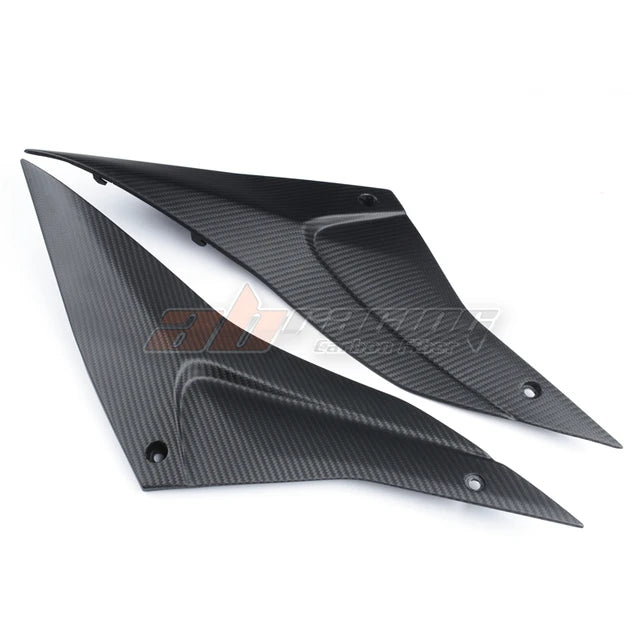
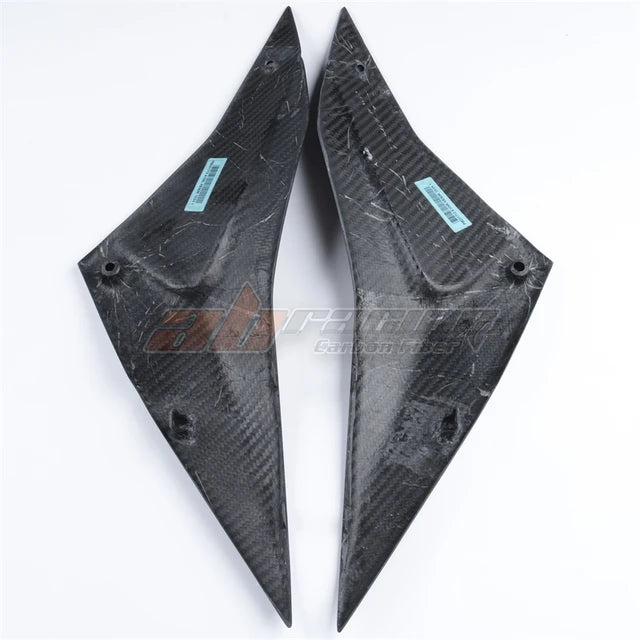
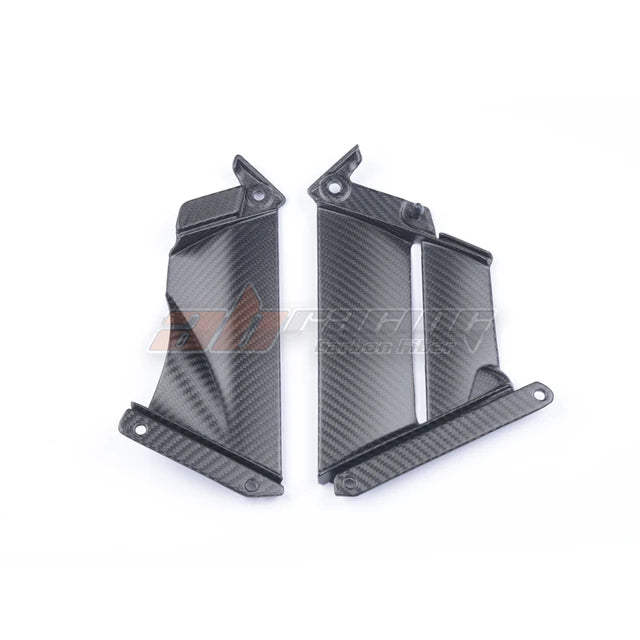
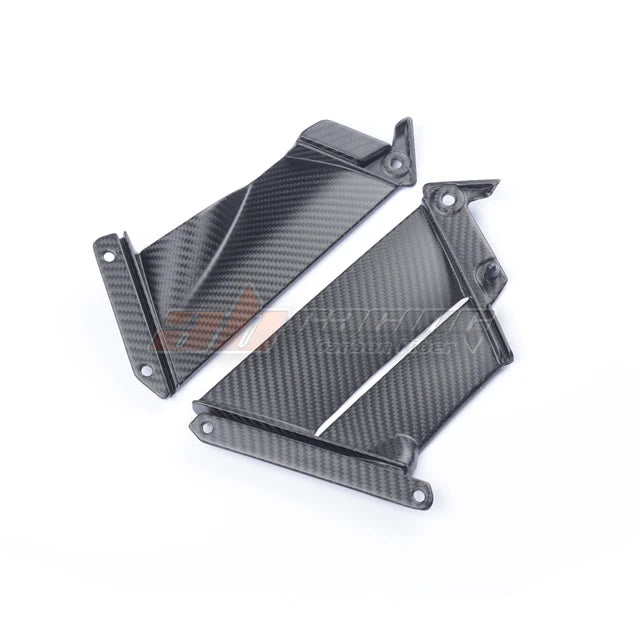
Carbon fiber fairings, tank covers, front fenders, rear huggers, chain guards and winglets all benefit from the material's excellent fatigue resistance. When manufactured to a high standard and installed correctly, these components can provide years of reliable performance while enhancing both appearance and weight reduction.
Although carbon fiber is highly durable, a few simple practices can help maximize its service life. The first step is to choose high-quality carbon fiber parts from reputable manufacturers.
Well-made parts are produced using premium materials and precise manufacturing processes, resulting in better strength, durability, and fatigue resistance.
Always choose carbon fiber parts designed specifically for your motorcycle model. Proper fitment ensures loads are distributed correctly and prevents unnecessary stress caused by misalignment or incorrect installation.
Following the manufacturer's installation instructions is equally important. Overtightening fasteners or forcing parts into place can introduce unwanted stresses that may reduce long-term durability.
Regular inspections help identify small problems before they become larger ones.
Look for chips, cracks, deep scratches, loose mounting points, or signs of delamination. Although fatigue damage often begins internally, visible damage caused by impacts should always be addressed promptly.
Keeping carbon fiber parts clean also helps preserve protective coatings and makes inspections easier.
Not all carbon fiber motorcycle parts are manufactured to the same standard.
High-quality parts use premium carbon fiber fabrics, advanced resin systems, precise curing processes and UV-resistant finishes. These factors contribute significantly to both appearance and long-term fatigue performance.
Choosing reputable manufacturers helps ensure you're investing in components that are engineered for durability as well as style.
Carbon fiber does have a fatigue life, but it's one of the most fatigue-resistant materials used in modern engineering. Thanks to its unique composite structure, it can withstand everyday riding. While maintaining excellent strength and stiffness.
Unlike metals, carbon fiber doesn't experience fatigue in the same way. Its performance depends on factors such as fiber orientation, laminate design, manufacturing quality, operating conditions and proper installation. When these factors are carefully controlled, carbon fiber offers exceptional long-term durability.
That's why industries such as aerospace, motorsport, and high-performance motorcycles continue to rely on carbon fiber for components that must perform under repeated stress year after year.
For motorcycle riders, investing in premium quality carbon fiber parts and maintaining them properly is the best way to enjoy their lightweight performance, premium appearance, and long service life.
Yes. Carbon fiber has excellent fatigue resistance and can withstand years of riding without significant loss of strength. This is why it is widely used in motorcycles, motorsports, aerospace and other high-performance industries where long-term durability is essential.
Yes. Fatigue damage can occur after repeated loading, particularly if a component is subjected to stresses beyond its design limits. High-quality carbon fiber parts are engineered to withstand normal riding vibrations, braking, acceleration and cornering over many loading cycles.
To maximize fatigue life, install carbon fiber parts correctly, inspect them periodically for signs of impact damage, clean them regularly and avoid overloading the component. Choosing premium carbon fiber parts from reputable manufacturers also ensures better long-term durability.
In many applications, yes. Carbon fiber generally offers better fatigue resistance than aluminum because it distributes repeated loads across thousands of fibers instead of allowing fatigue cracks to grow like many metals. This helps it maintain its structural performance over a longer period.
Yes. Every ride exposes carbon fiber parts to repeated loads from engine vibrations, braking, acceleration, cornering and uneven roads. However, premium carbon fiber parts are specifically engineered to handle these normal riding stresses. With proper installation and regular maintenance, they can provide reliable performance for many years before fatigue becomes a concern.