




Read More

Price :
QTY :
CART TOTALS :
There are
items
in your cart
CART TOTALS :
With this products also buy:
Your shopping bag is empty
Go to the shopTHE AM/PM BUNDLE
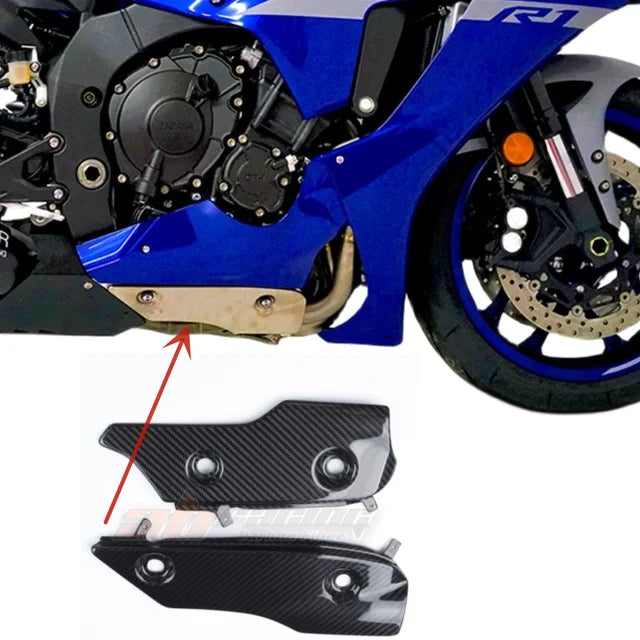
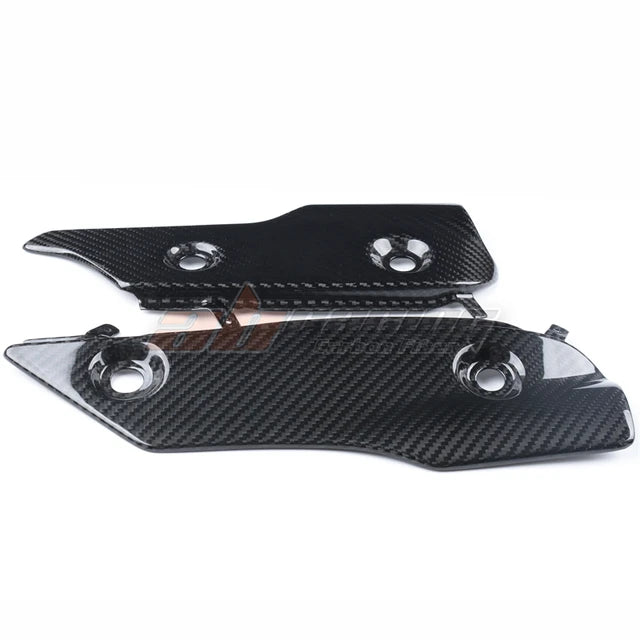
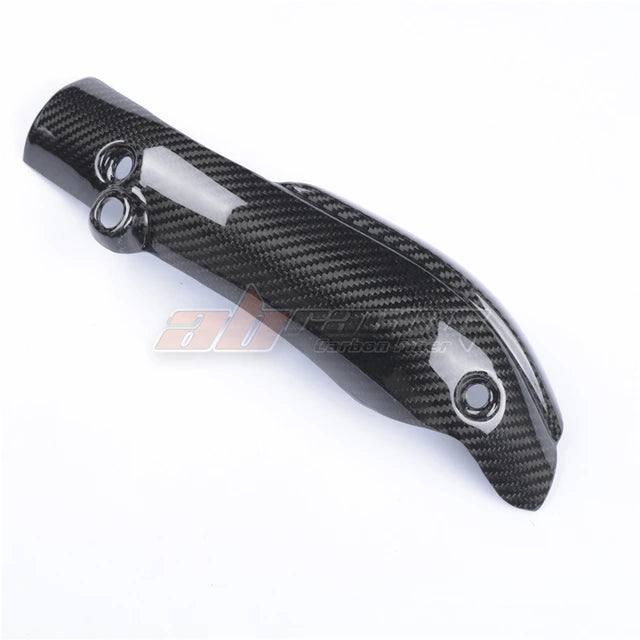
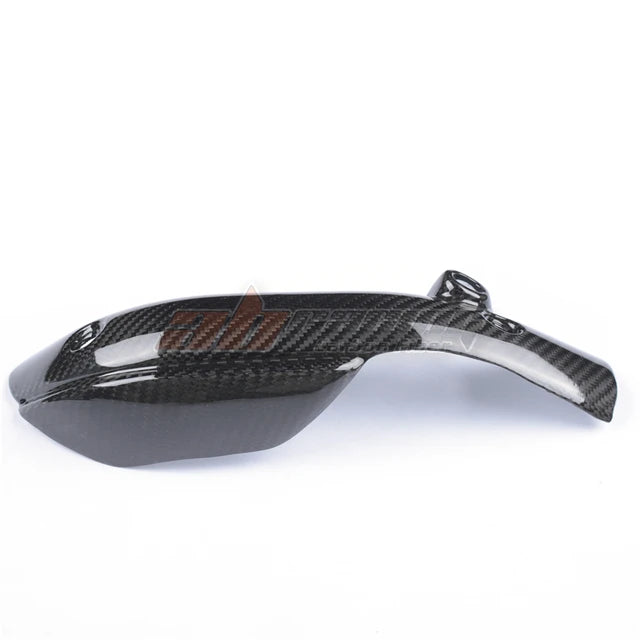
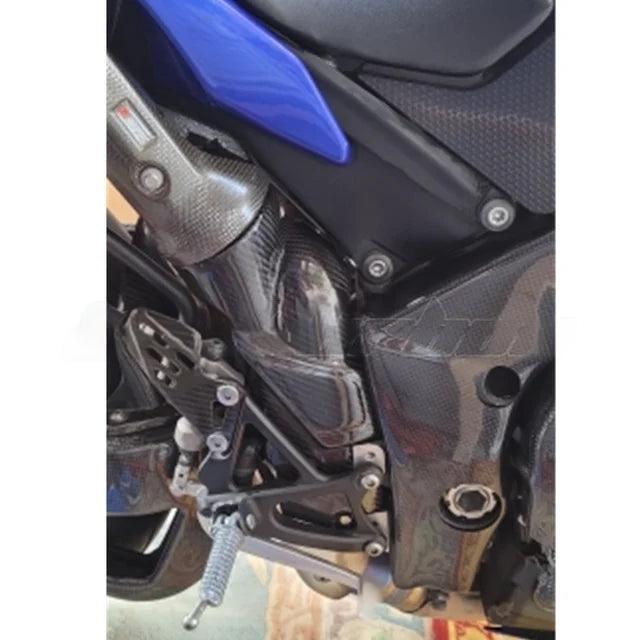
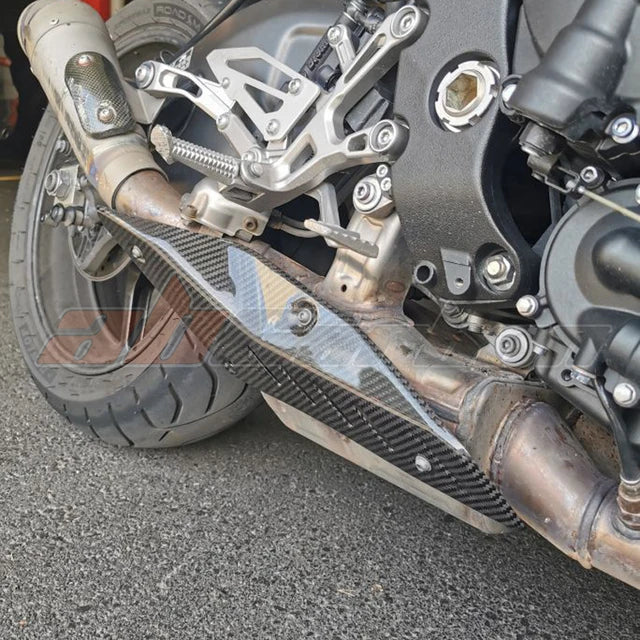
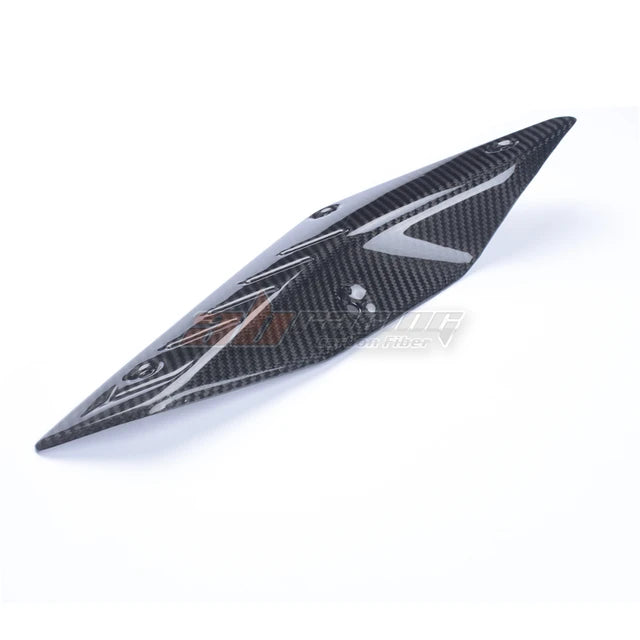
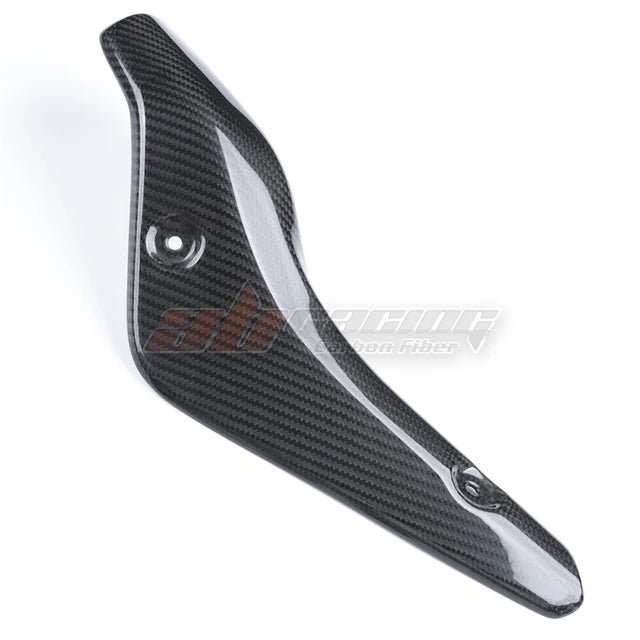
An exhaust guard acts as a protective barrier around exposed areas of the exhaust system. It can help reduce accidental contact with hot exhaust surfaces while also protecting the covered area from minor scratches and road debris.
Yes. An exhaust guard creates a barrier between the rider or nearby components and exposed hot exhaust surfaces. However, the guard itself can still become hot during riding, so direct contact with the exhaust area should always be avoided.
Not necessarily. Aftermarket exhaust systems can differ in shape, size, pipe routing, and mounting locations. If your Yamaha has a modified exhaust, compare the guard's fitment requirements with your exhaust setup before ordering.
Yes. Quality carbon fiber exhaust guards are suitable for regular street use and can withstand normal exposure to heat, moisture, road grime, and small debris. A durable UV-resistant finish also helps protect their appearance from prolonged sun exposure.
It is best to inspect or replace a significantly cracked exhaust guard before continuing to use it. Cracks around mounting points are particularly important because vibration and repeated riding loads may cause the damage to worsen or the guard to become loose.
Carbon fiber offers a combination of lightweight construction, rigidity, corrosion resistance, and premium styling. A carbon fiber exhaust guard can enhance the appearance of your Yamaha while providing practical coverage around the exhaust area.
Compatibility depends on the specific exhaust guard and Yamaha model. Model-specific guards are generally designed around a particular exhaust configuration, so always check whether the product is intended for the stock exhaust before purchasing.
Most model-specific exhaust guards are designed to use designated or existing mounting locations where applicable. Installation requirements vary by Yamaha model and exhaust configuration, so check the product instructions before making any modifications.
Look for visible cracks, chips, delamination, loose mounting points, or unusual movement. Because exhaust guards experience heat, vibration, and exposure to road debris, inspecting them periodically can help identify damage before it becomes more serious.
Allow the motorcycle and exhaust area to cool completely before cleaning. Use a soft microfiber cloth with a mild automotive cleaner to remove dirt and road grime, and avoid abrasive brushes or harsh chemicals that could damage the carbon fiber finish.