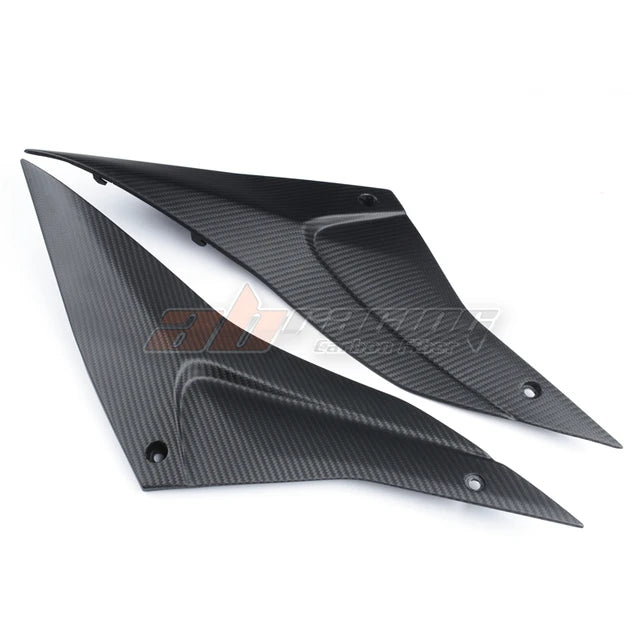
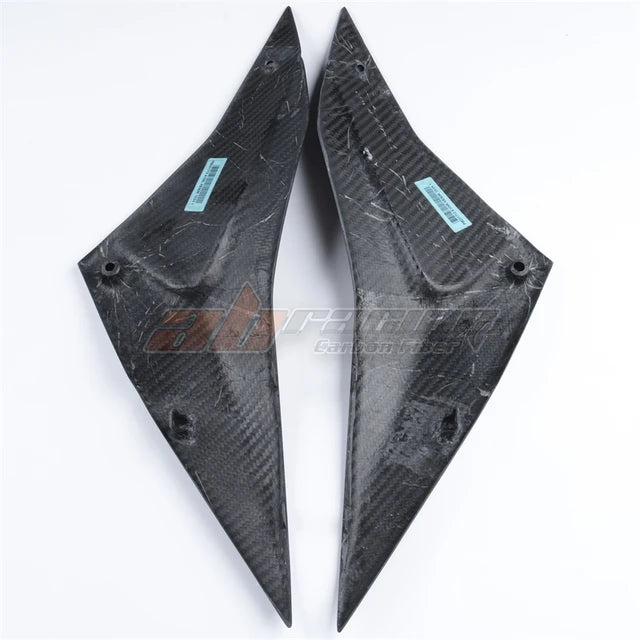
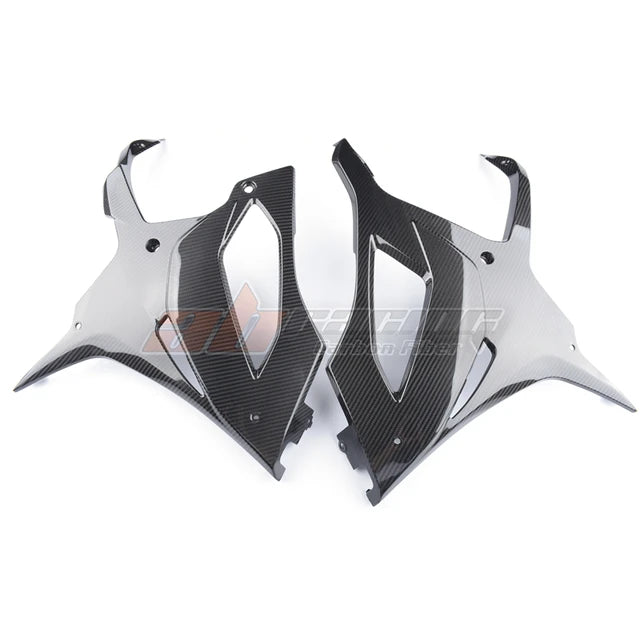
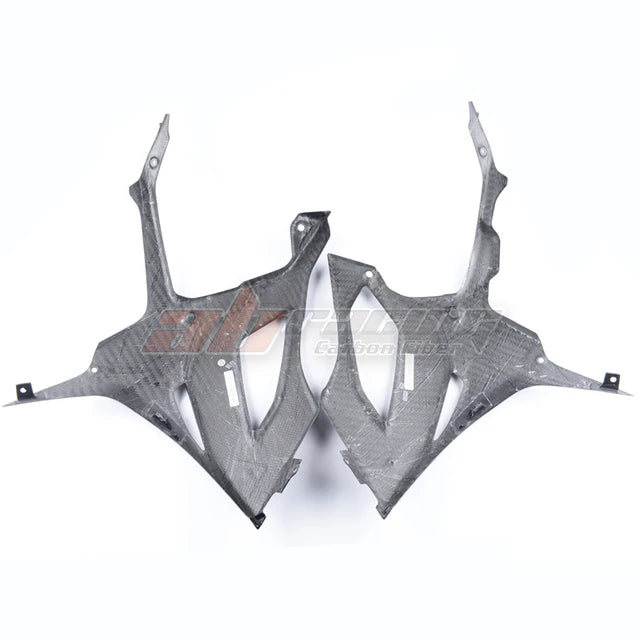
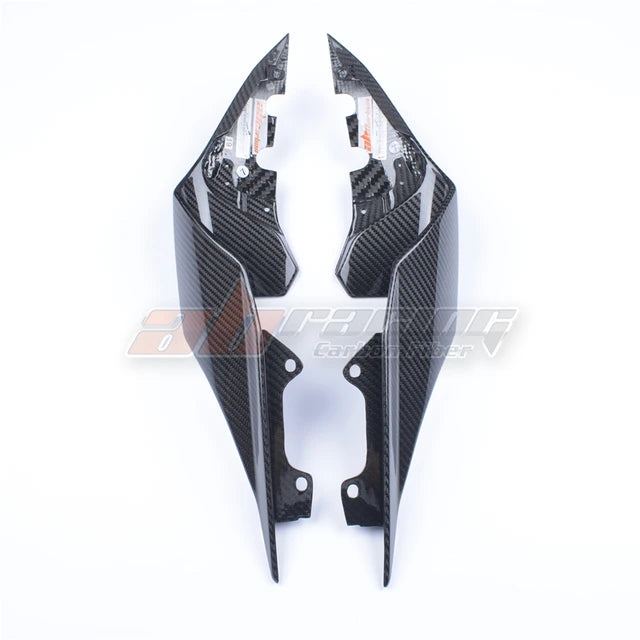
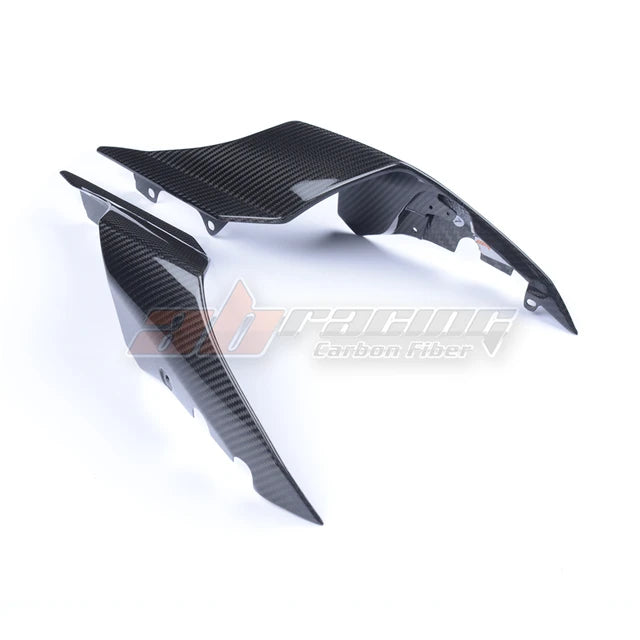
1- What is the purpose of a carbon fiber rear tail cover panel fairing?
The main purpose of this rear tail cover panel is to enhance the appearance of the motorcycle’s tail section while also providing added protection. It helps cover and protect the rear bodywork from minor scratches, scuffs, and everyday wear, while giving the bike a sharper, more premium, and performance-inspired finish.
2- Does a carbon fiber rear tail cover improve motorcycle performance?
The main benefits are weight reduction and aesthetics. Carbon fiber parts can also improve overall motorcycle performance. Carbon fiber is lighter than many traditional materials. Replacing standard parts with carbon fiber can reduce the bike's weight. Lower weight improves handling and responsiveness, especially when multiple carbon fiber upgrades are installed.
3- Why do riders upgrade to a Carbon Fiber Rear Tail Cover?
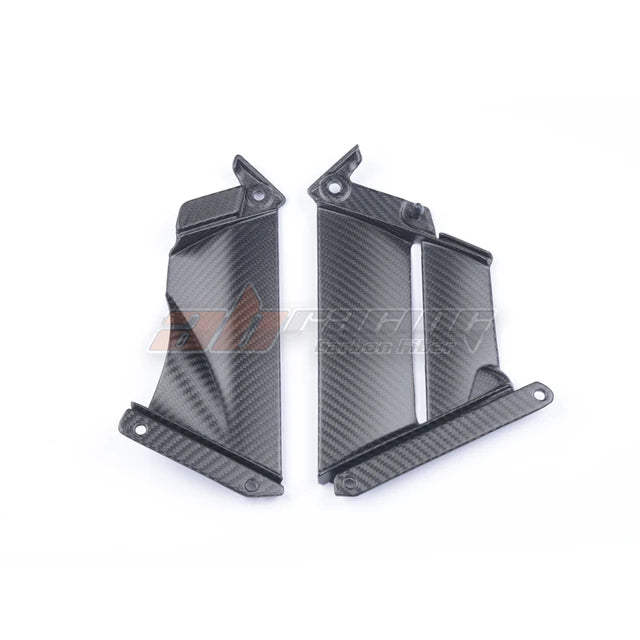
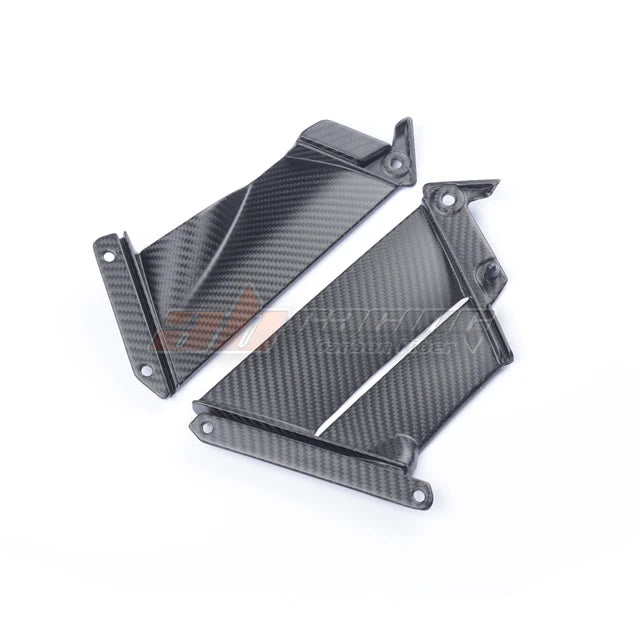
Many riders upgrade to a carbon fiber rear tail cover to improve both the appearance and performance feel of their motorcycle. Carbon fiber parts offer a premium motorsport look while also being lighter than many standard materials. This combination of lightweight construction and distinctive design makes carbon fiber upgrades popular among superbike owners. There are additional upgrades for the Kawasaki Z900, including the Carbon Fiber Under Seat Panels for the Kawasaki Z900.
4- Is the installation of the Carbon Fiber Rear Tail Cover difficult?
Installation is generally straightforward for riders who are familiar with basic motorcycle maintenance. The fender is designed to match the factory mounting locations, so it can usually be installed using the original hardware and common tools. For riders who prefer professional assistance, installation can also be done by a motorcycle technician. There are more products with easy installation, such as Carbon Fiber Gas Fuel Tank Side Panels for Kawasaki Z900.
5- Does adding this panel affect the bike’s performance or weight?
No, the panel is lightweight and designed to complement the bike’s original structure. It does not negatively affect performance or handling and may even offer a slight advantage due to reduced weight compared to some stock materials.